Preston Tucker (1903–1956) was an entrepreneur and automotive visionary who chased big ideas. He started as an office boy at Cadillac. He ran a gas station. He worked as a police officer. Then he built a career selling cars for brands like Stutz, Chrysler, Pierce-Arrow, and Dodge. His passion for speed led him to partner with legendary race engineer Harry Miller in Indianapolis.
In 1939, Tucker saw opportunity as war approached in Europe. He designed an armored combat car for the Dutch government. The vehicle exceeded speed requirements, but the Dutch declined the project. Its innovative gun turret caught the attention of the U.S. Navy. Tucker quickly shifted into production, supplying turrets for ships and aircraft.
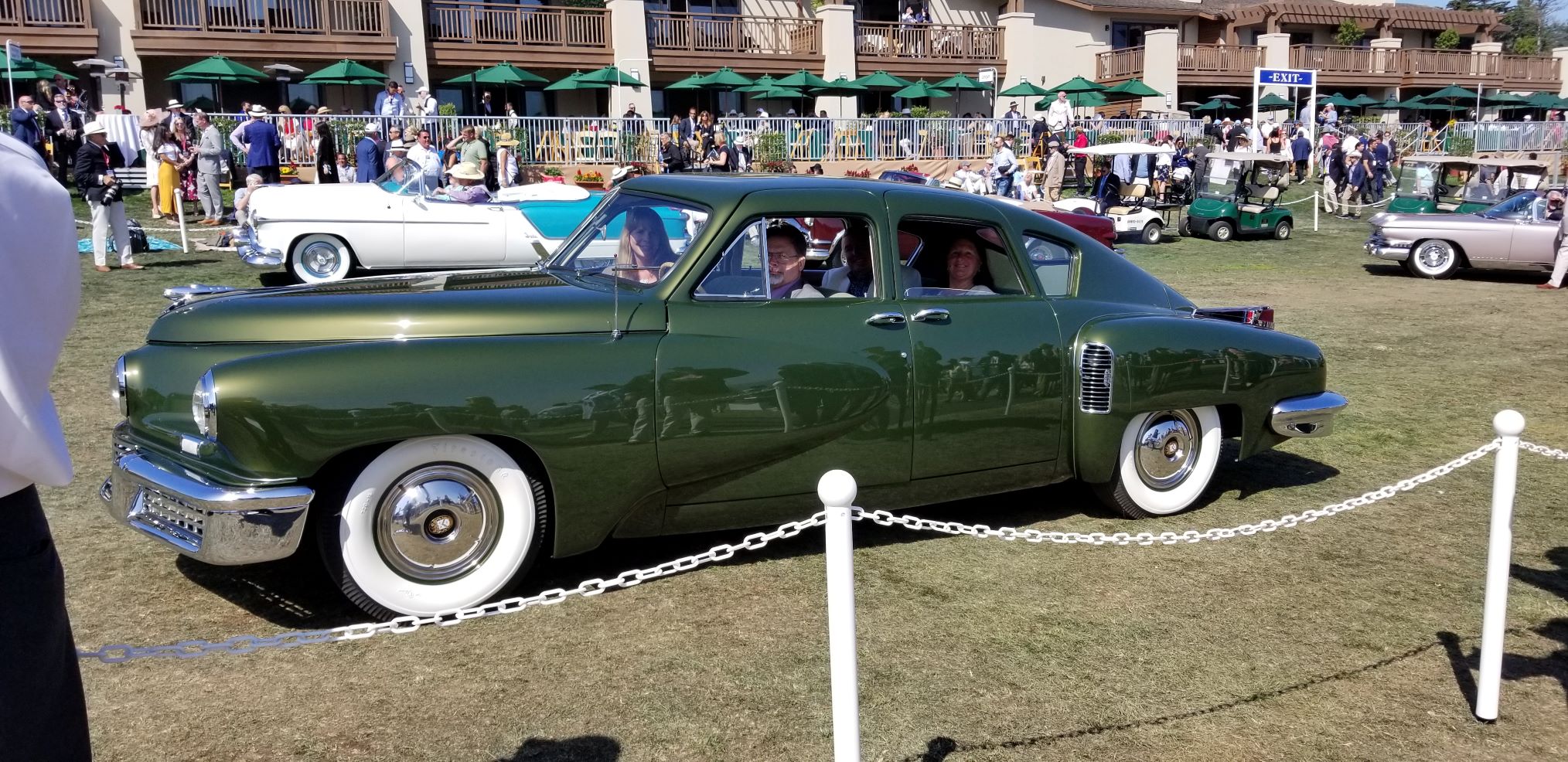
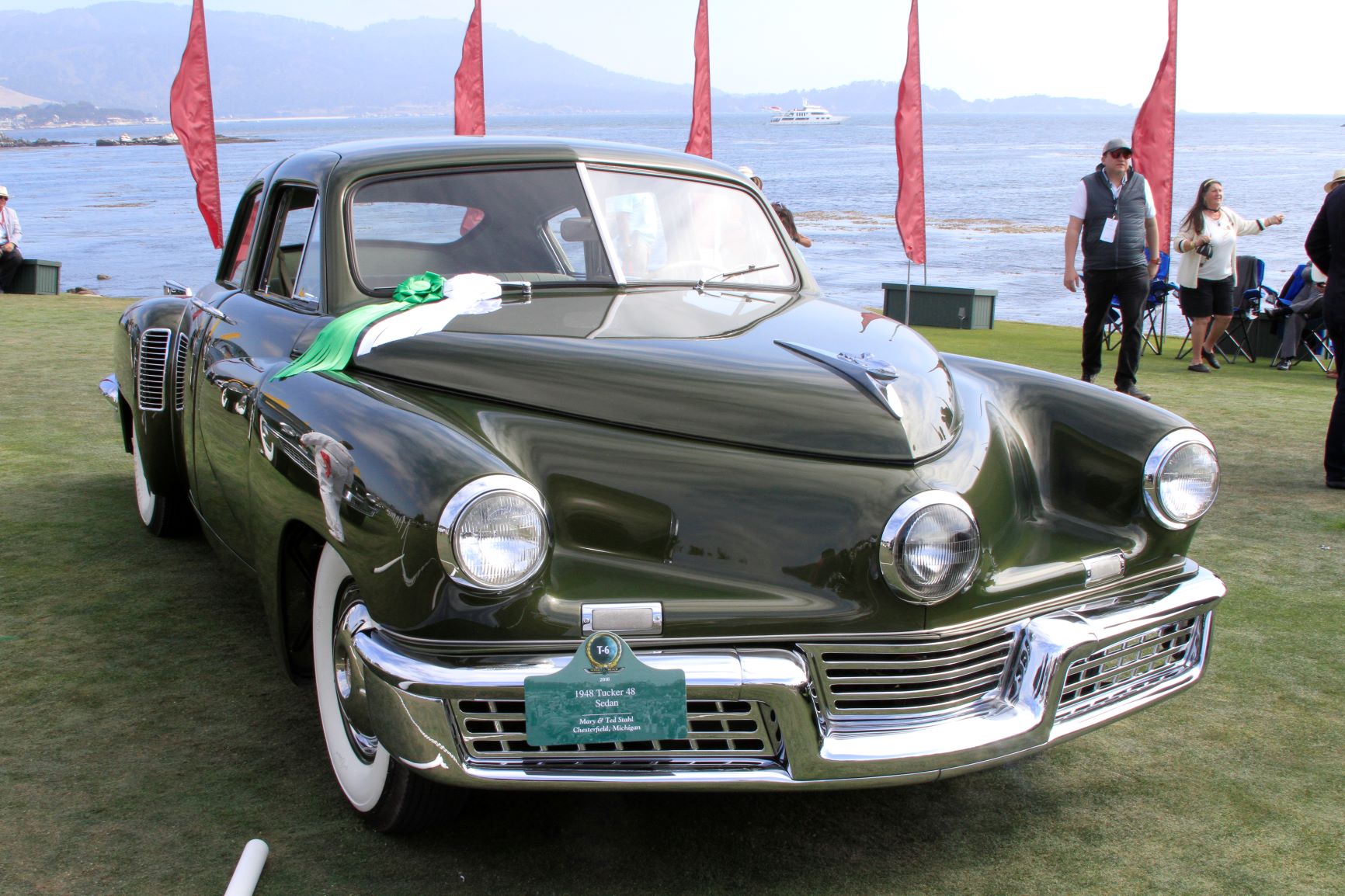
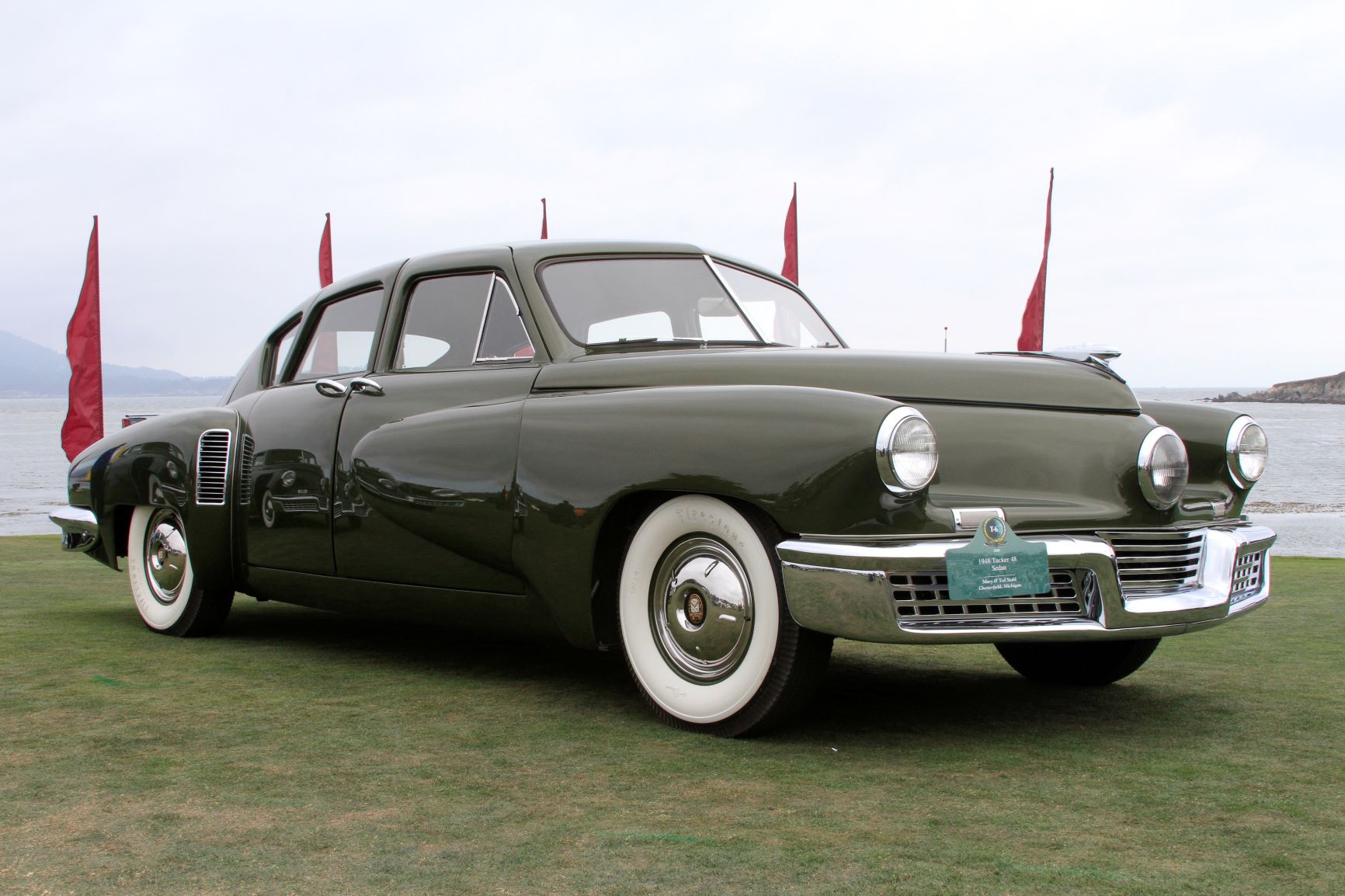
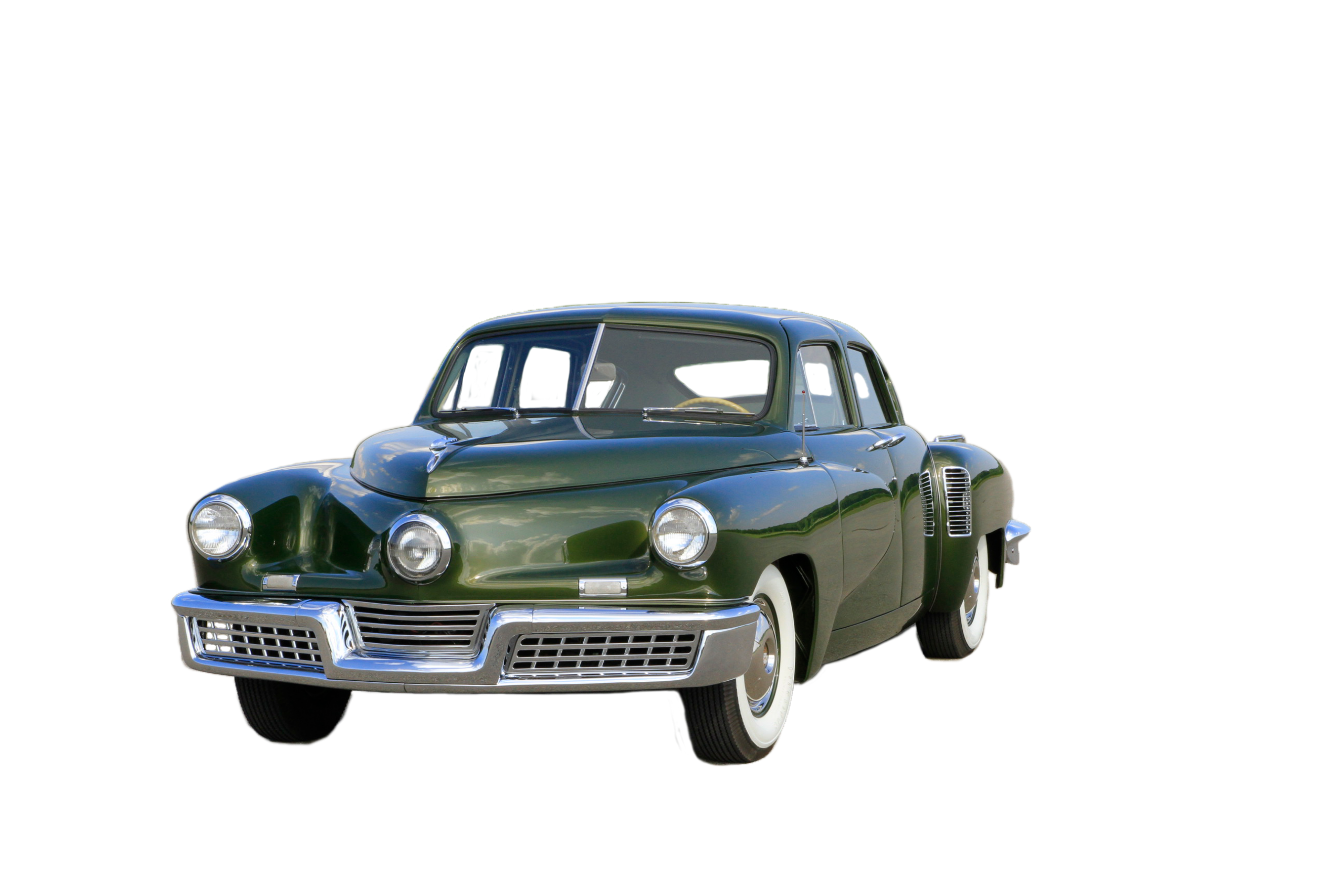
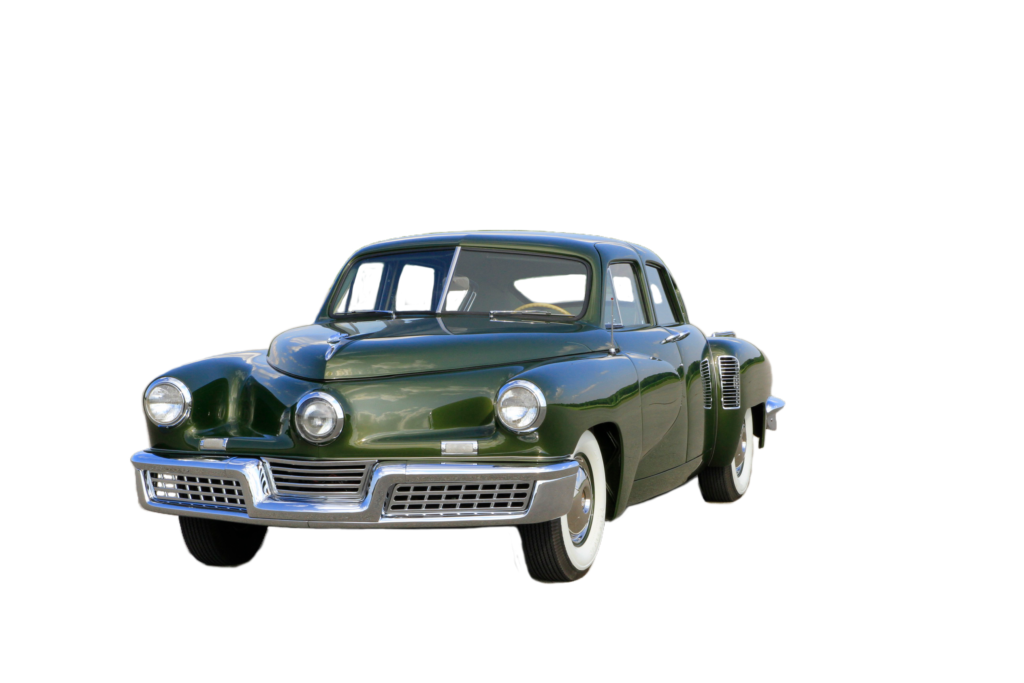
After World War II, Americans wanted new cars. Tucker seized the moment and launched his own company. He refused to follow outdated prewar designs. Instead, he pushed bold ideas. Not all were realistic for a small startup with limited funding, but many made it into the 1948 Tucker sedan. The car featured a safety-focused frame, a rear-mounted engine adapted from a helicopter, and performance capable of reaching 100 mph. It also introduced advanced safety concepts, including a padded “crash zone,” a built-in roll bar, and a windshield designed to pop out on impact.
In 1946, Tucker leased the former Dodge Chicago Aircraft Plant and began building his company piece by piece. He raised money in unconventional ways, which drew scrutiny from the Securities and Exchange Commission. A lengthy trial followed, bringing production to a halt. Although Tucker was cleared of all charges in January 1950, the damage was done. Legal costs drained his resources. The government reclaimed the factory. Dealers filed lawsuits after never receiving cars. Tucker’s bold vision came to an abrupt end, but his legacy still shapes automotive innovation today.